
Dental Treatments
Dental Cleaning
A dental cleaning is a professional cleaning you receive from a dentist or a dental hygienist. Most dental cleanings take only between 25 and 30 minutes. Cleanings should be performed at least every six months to prevent excessive plaque buildup. Plaque left untreated can lead to unhealthy gums and tooth decay. A routine dental cleaning should include scaling, root planning and polishing.
Our Hygiene Services Include:
- Cleanings – Routine cleanings from ages 3 and up.
- Full Periodontal Disease Treatment
- Fluoride treatment
- Sealants
- Oral Cancer screening
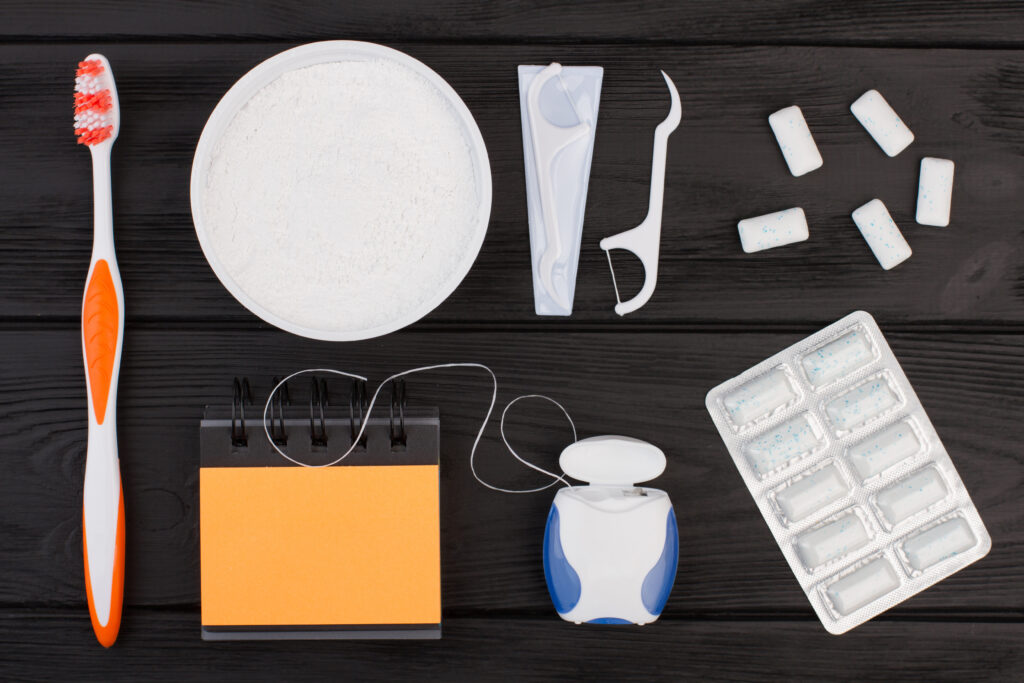

Routine Care Offerings
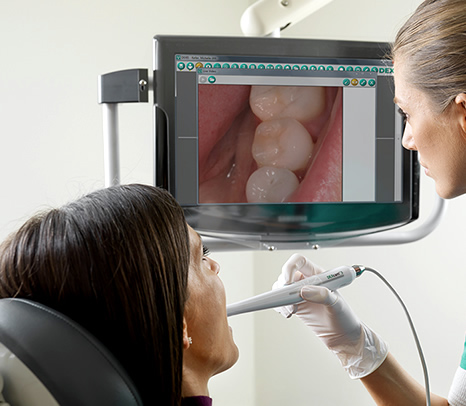
Intra Oral Cameras Help You Get A Clear View
Patients don’t often have a clear idea of the actual status of their dental health. With the use of intra oral cameras, when at the dentist, you sit comfortably back in the chair and can watch as things progress. The dentist or hygienist inserts a pen-sized, camera-tipped wand into your mouth that is covered with a disposable plastic sheath for contamination prevention. The wand takes a video of the inside of your mouth and transmits the images to a computer screen. The full-color images is one that you can view from the dental chair. And there is your mouth on the screen. The dentist points out any problem areas and explain his recommendations for treatment, so you will become an informed partner in your dental care.
Nitrous Oxide
Nitrous oxide, commonly known as laughing gas or happy gas is commonly used with oxygen for partial sedation. It is one of the most widely used anesthetics in dental applications.
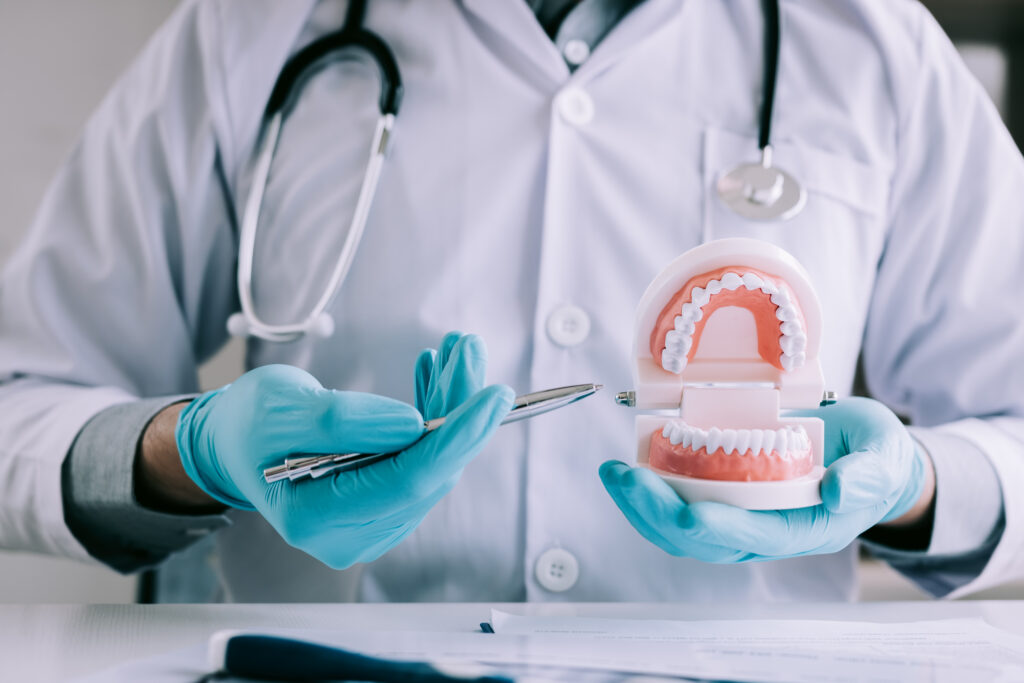
Denture Reline
Just like your natural teeth, dentures need to be cared for constantly. With excellent habits at home and regular dental visits your dentures will fit perfectly. Sometimes dentures need to be periodically adjusted for a proper fit to avoid causing discomfort or difficulty chewing. Every few years, your dentist will usually recommend that your dentures be relined, or resurfaced, to conform to the changing contours of your mouth.
Why Is Denture Relining Necessary?
The bones and tissues in your mouth change over time. In fact, once you have a tooth extraction, the bone that once held the tooth in place begins to shrink. Since dentures require a tight fit against your gum tissue, it’s important to adjust the denture base to keep up with this shift.
Poorly fitting dentures can also contribute to the problem by wearing down the bone and soft tissues in your mouth more quickly. Relining your dentures helps minimize this erosion, as well as compensate for natural oral changes. Dentures aren’t indestructible! They will need to be consistently maintained and repaired to keep them as effective (and attractive) as the day you got them.
Your dentist begins by removing a layer of the existing denture surface. A putty-like material is filled in and inserted into your mouth to make an exact impression of the denture area. Once this impression has hardened, it is used to create a new surface or base for the existing denture teeth. This step is sometimes completed in the dental office, but more often is done in a lab to produce a longer lasting surface.
There are two types of denture relines:
Hard Denture Reline — The impression material is replaced with a hard pink acrylic that is perfectly formed to the contours of your mouth. This type of relining is recommended every two years and provides the most contact with your gum tissue for maximum hold.
Soft Denture Reline — For patients whose gums are too tender for hard relining, dentists may opt to reline the denture surface with a softer, more flexible material. Although easier on the gums, this type of relining may have to be replaced more often to maintain a proper fit.
Denture Loving Care
It’s a fact, over time dentures become worn and don’t fit as well, so it’s important to reline them regularly. Denture adhesives, while a great way to help keep well-fitting dentures in place, should not be used in place of continual denture relining. See your dentist on a regular basis and make sure to communicate any changes in the way your dentures fit or feel. With proper denture care, your dentures can keep you smiling for years to come.
Have Questions? Get in Touch!
- 1939 McCulloch Blvd, Lake Havasu City, AZ 86403
- 928.855.5041
- havasuvalleydentallhc@gmail.com
Most Insurances Accepted
Delta Dental – Ameritas – United Concordia – MetLife